



How do I Keep My Smoked Product Consistent? 6 Areas to Check
If you've ever experienced uneven product coming out, the problem is often tied to a few common areas. Here’s where our team looks first. Read the ...

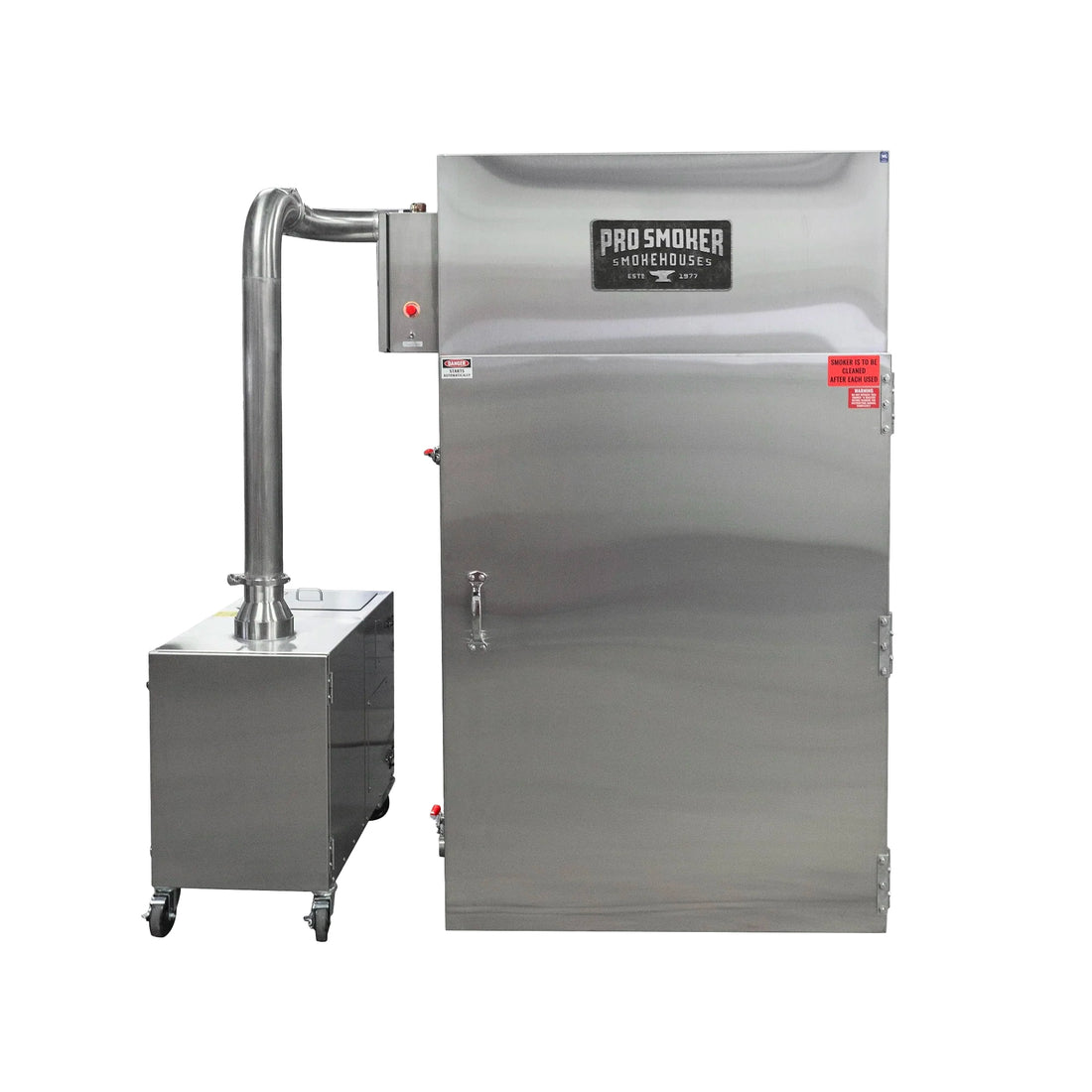
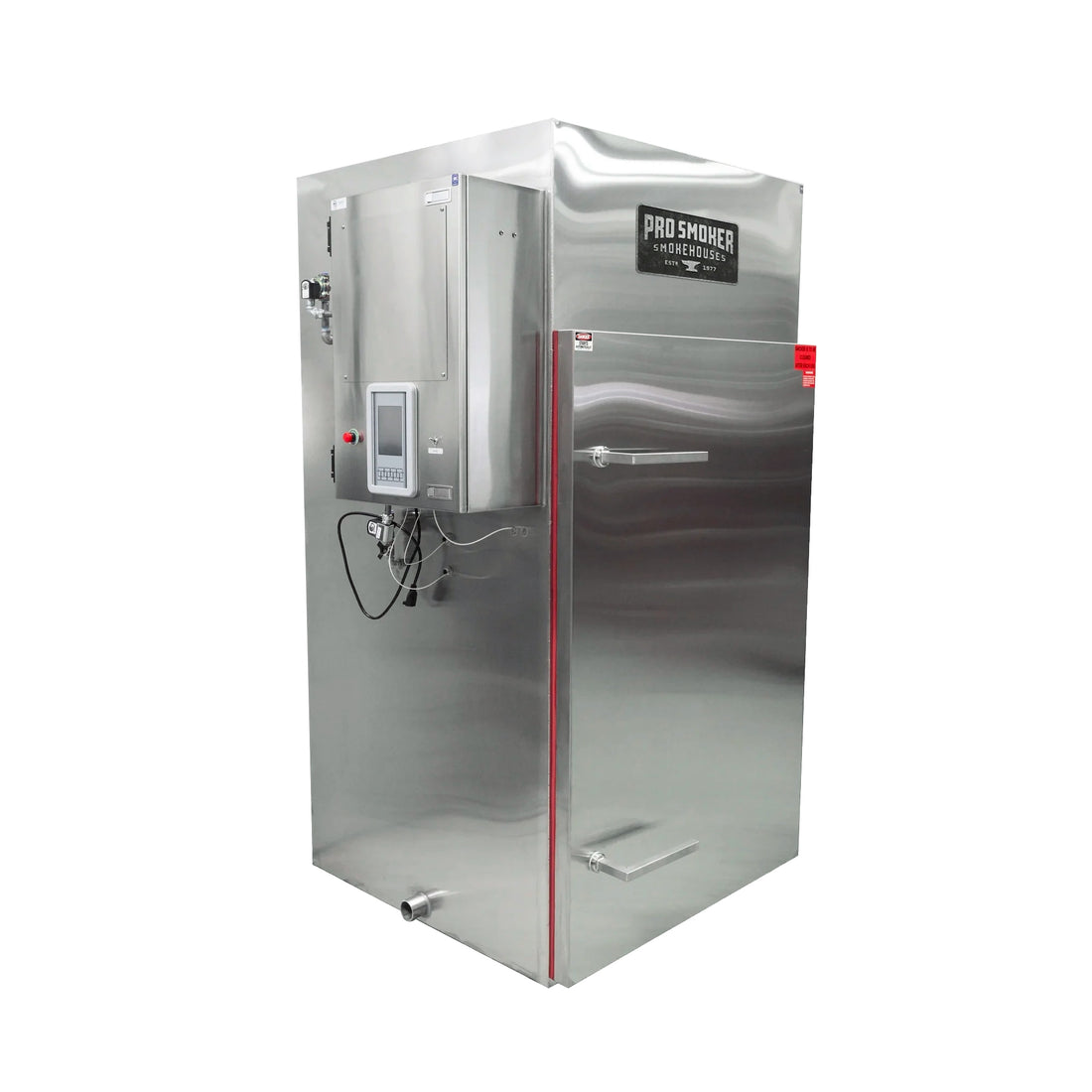
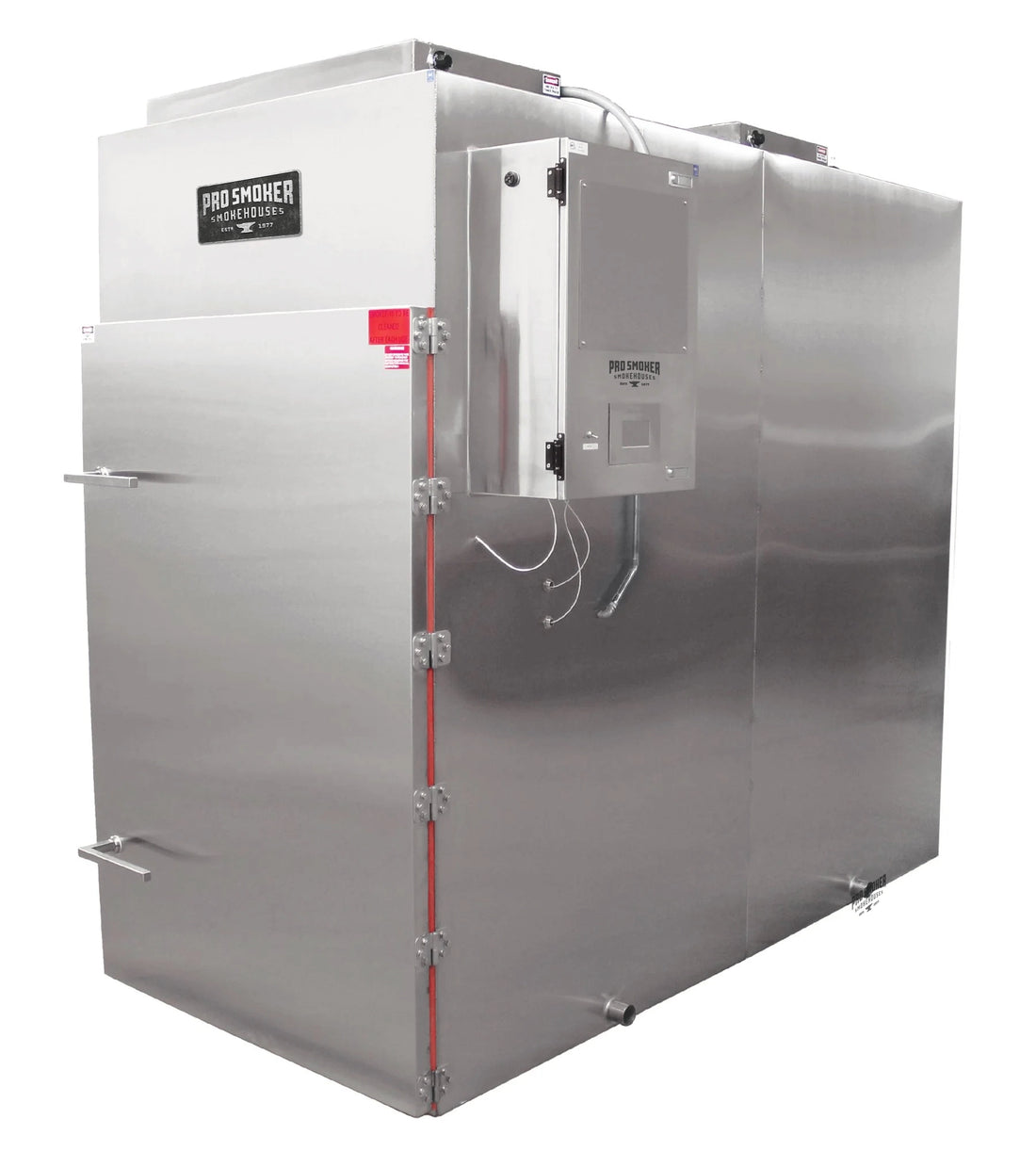

Every commercial smokehouse operator knows creosote. It shows up in training, on maintenance schedules, and in the batch logs. The real question isn't whether it's there, it's how you stay ahead of it. In a working meat plant, that comes down to protecting your people, your equipment, and your finished product.
Creosote buildup is widely recognized as an operational risk in commercial smoking environments and can contribute to fire hazards, flavor inconsistency, and equipment performance issues. It is also one of the most manageable risks in your operation if you understand why it forms and address it before significant buildup occurs.
What Creosote Is and Why It Forms
Creosote is a family of combustion byproducts — tars, phenols, and carbon compounds — that form when organic material burns incompletely. In a commercial smokehouse, incomplete combustion happens when smoke-generating fuel doesn't reach full combustion temperature, when airflow is restricted, or when moisture interferes with the burn.
These compounds move through your smokehouse as vapor and particulate. The lighter fractions do the work you want — penetrating the product, developing color, building flavor. The heavier ones don't stay airborne. They cool, condense, and deposit on every interior surface they contact: walls, ceilings, smoke ducts, drain lines, and dampers. Over time, those deposits layer and harden into the thick, tar-like buildup operators recognize as creosote.
How Creosote Varies by Smoke Generation Method
Not all smoke generation systems create equal creosote risk — and your cleaning protocols should reflect that.
Wood pellet systems produce relatively clean, consistent combustion when the fuel is dry, and the burner pot is maintained. The primary creosote risk comes from ash accumulation blocking airflow to the burner, which drops combustion temperature and shifts the burn toward incomplete. Regular ash clearing is among the most important preventive maintenance practices for pellet-fired systems.
Sawdust systems carry higher inherent creosote risk due to the fine particle nature of the fuel. Sawdust is more moisture-sensitive than pellets, and even slightly damp sawdust smolders rather than combusting cleanly. That smoldering produces significantly more tar-heavy smoke compounds. Sawdust operators should inspect fuel moisture regularly, maintain strict firebox daily cleaning schedules, and pay close attention to creosote accumulation in smoke lines and ducts — where the heavier compounds concentrate.
Liquid smoke systems are a different category entirely. Because liquid smoke is a condensed smoke extract applied through a delivery system rather than produced through combustion, traditional creosote formation is not a primary concern. However, liquid smoke residue — particularly in nozzles, delivery lines, and around application points — can accumulate and carbonize over time, creating its own cleaning and airflow management requirements. Liquid smoke residue can accumulate throughout portions of the smokehouse interior, particularly around application areas and airflow paths, which increase cleaning requirements depending on system design and operating conditions.
The Creosote Risks You Can't Afford to Ignore
Fire Hazard
Creosote is combustible. As deposits thicken and dry, they become increasingly flammable and a smokehouse operating at production temperatures provides exactly the conditions needed to ignite them. Fires associated with creosote accumulation have been documented in commercial smoking operations and can result in equipment damage, production downtime, and facility losses. The USDA and state food safety agencies take smokehouse fire risk seriously. You want to be certain you do too.
Product Quality and Food Safety
Heavy creosote deposits don't just sit on your walls. Heavy creosote deposits may contribute bitter or acrid flavor characteristics and can negatively affect product quality. If smoked products develop an unexpectedly harsh or bitter finish, creosote buildup is one potential factor worth evaluating alongside fuel quality, combustion conditions, airflow, and process settings. Operators should ensure their maintenance and sanitation practices comply with all applicable USDA, FSIS, state, and local requirements. While many operators develop cleaning practices that preserve desired smoke characteristics, excessive buildup should not be allowed to accumulate. The goal is to maintain equipment in accordance with your facility's sanitation, safety, and operating procedures.
Equipment Performance and Longevity
Creosote accumulation in smoke ducts and damper channels restricts airflow and forces your system to work harder to maintain smoke density and cabinet temperature. Over time, this can accelerate wear on components already under thermal stress. Stay on a consistent cleaning schedule and you will protect your equipment, avoid unplanned shutdowns, and keep every cook cycle on track.
General Creosote Management Guidelines
Creosote management isn't complicated — it just requires consistency. Maintenance frequency should be determined based on equipment configuration, production volume, fuel type, operating conditions, and manufacturer recommendations. The intervals below are general guidelines of maintenance frequencies commonly used in commercial operations and may serve as a starting point for developing a facility-specific maintenance program.
Daily: Clear ash and residue from your smoke generator after each production cycle. Don't let it accumulate between shifts. For sawdust operators, inspect fuel moisture before loading.
Weekly: Wipe down interior walls, inspect smoke ducts for visible buildup, and check dampers for residue that's beginning to restrict movement. During this interval, early-stage creosote is often easiest to remove — before it hardens and bonds to surfaces.
Monthly: Perform thorough interior cleaning including fan shrouds, smoke line interiors, and damper mechanisms. This is also the time to inspect any areas of accelerated buildup that signal an upstream problem such as incomplete combustion, airflow restriction, or fuel quality issues worth addressing.
Semi-annually: Full deep-clean of the entire damper system, including areas that require partial disassembly. If this level of cleaning is not already part of your annual maintenance plan, consider scheduling it now.
Download Your Free Smokehouse Maintenance Checklist
Pro Smoker's free Truckload Smokehouse Maintenance Checklists are built around the cleaning cadences above — with specific tasks differentiated by your smoke generation method. Print them, laminate them, and post them where your team can use them every day.
Download the Truckload Checklist: Wood Pellets
Download the Truckload Checklist: Sawdust
Download the Truckload Checklist: Liquid Smoke
If you're seeing accelerated creosote buildup despite regular maintenance, additional evaluation of fuel quality, airflow, combustion conditions, or equipment operation may be warranted. Pro Smoker technical support can help review potential contributing factors, but on-site inspection may be necessary to determine root causes.
Contact Pro Smoker Technical Support
Important: The information provided here is intended for general educational purposes only. Maintenance requirements vary based on equipment configuration, production volume, fuel type, operating conditions, and applicable regulatory requirements. Operators should follow their facility's safety procedures, sanitation programs, equipment manuals, and all applicable federal, state, and local regulations. This article is not a substitute for manufacturer instructions, professional inspection, or facility-specific safety assessments.
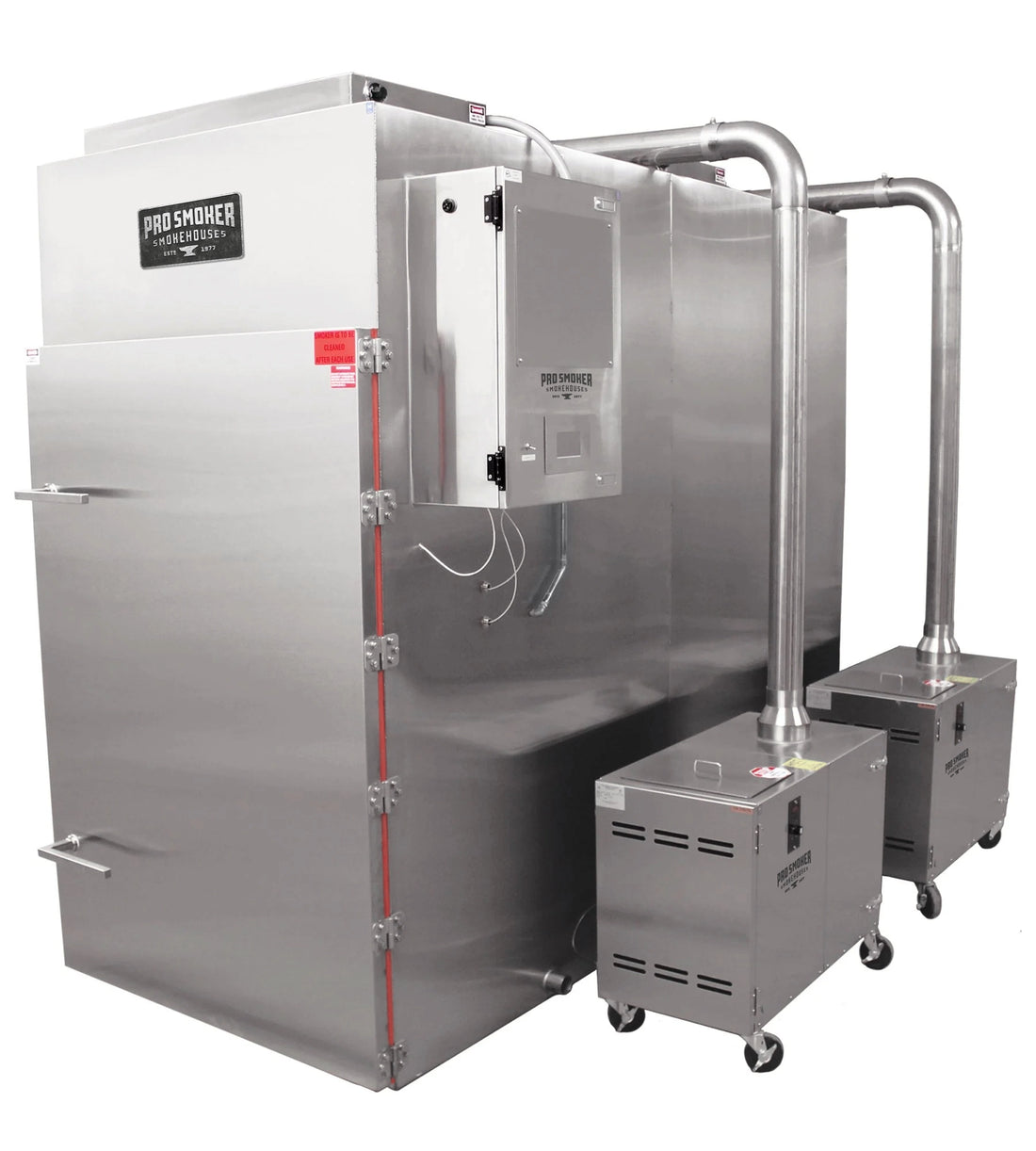
Pro Smoker has been manufacturing commercial smokehouses and smoke generation systems for meat professionals across the globe since 1977. For technical support or equipment questions, contact our team.
