



How do I Keep My Smoked Product Consistent? 6 Areas to Check
If you've ever experienced uneven product coming out, the problem is often tied to a few common areas. Here’s where our team looks first. Read the ...

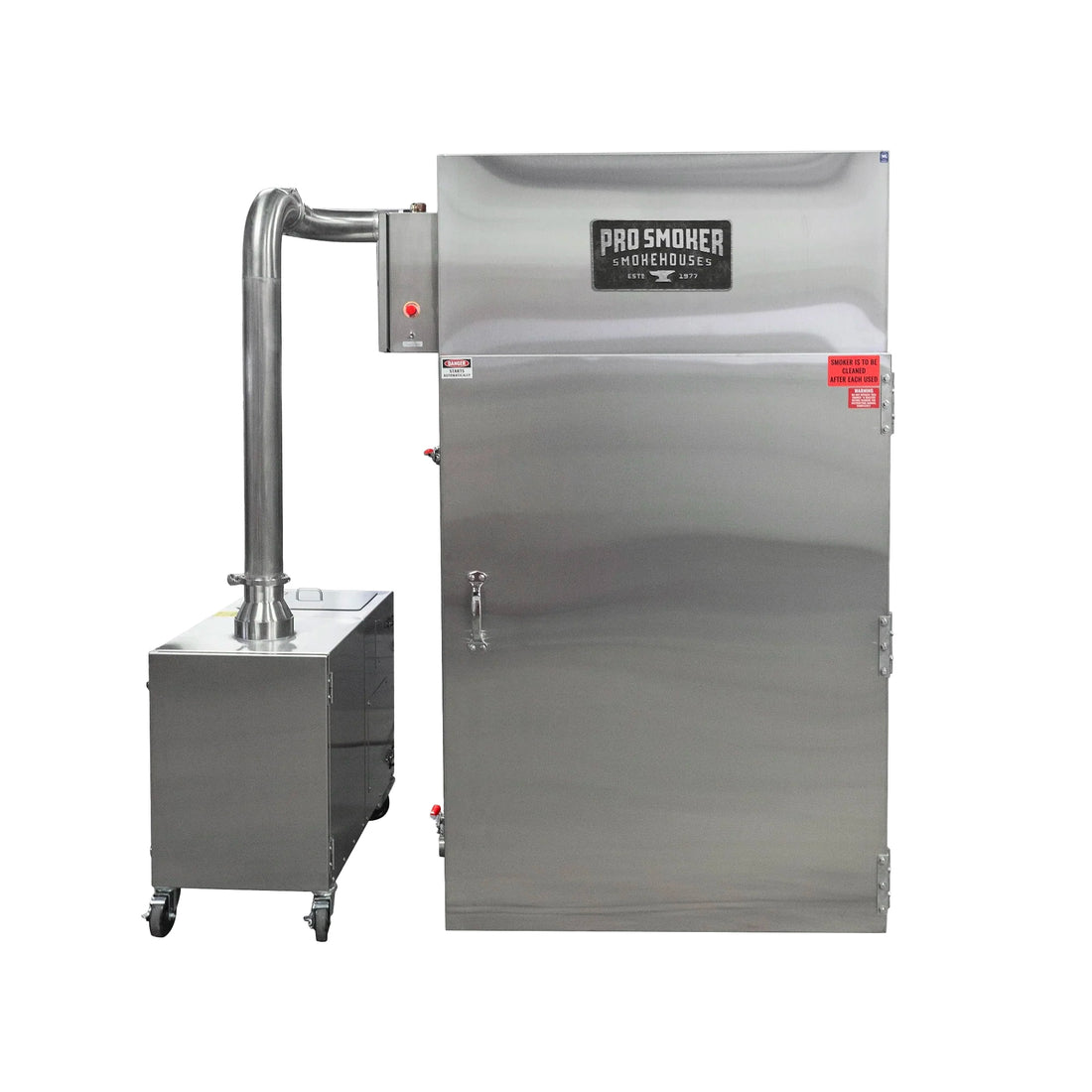
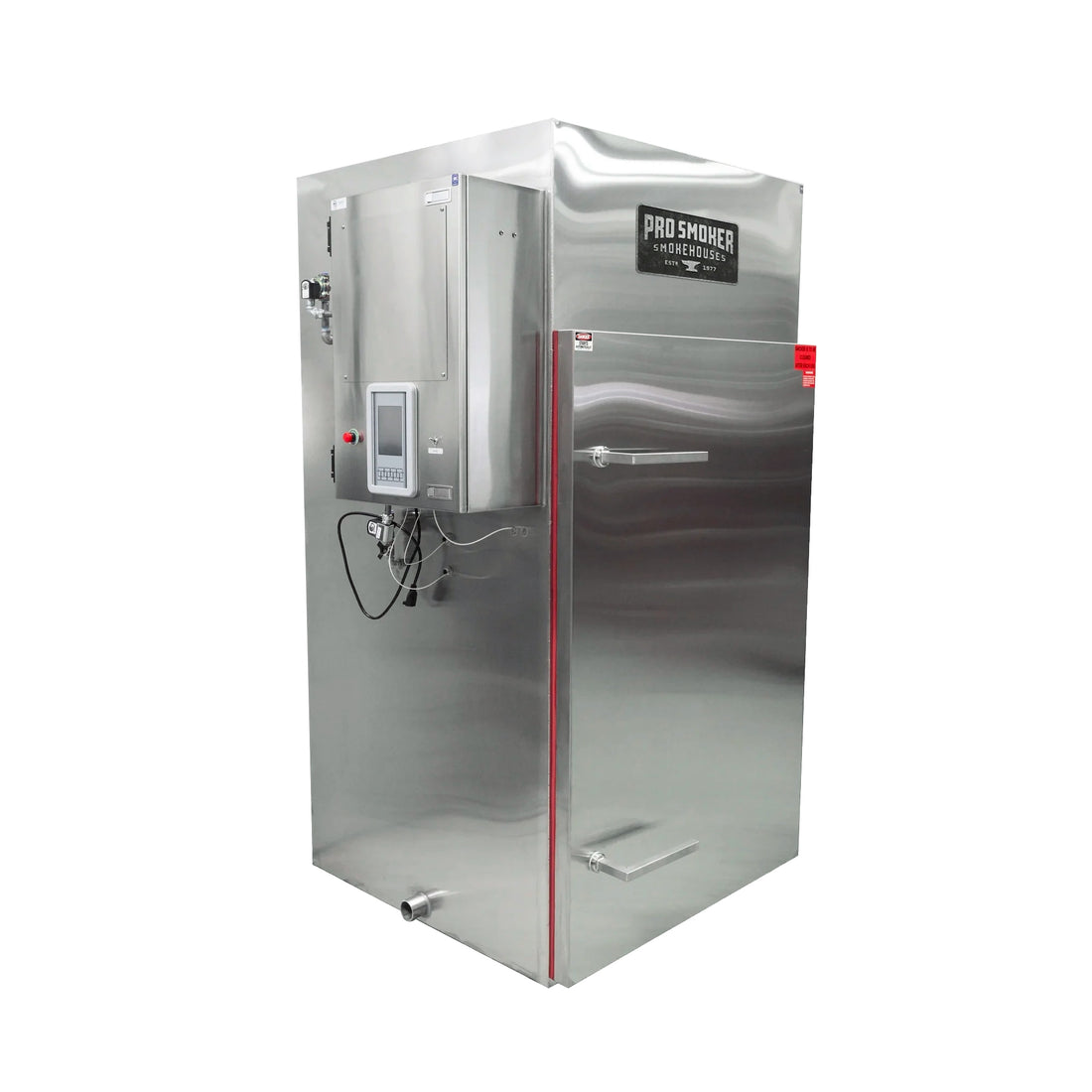
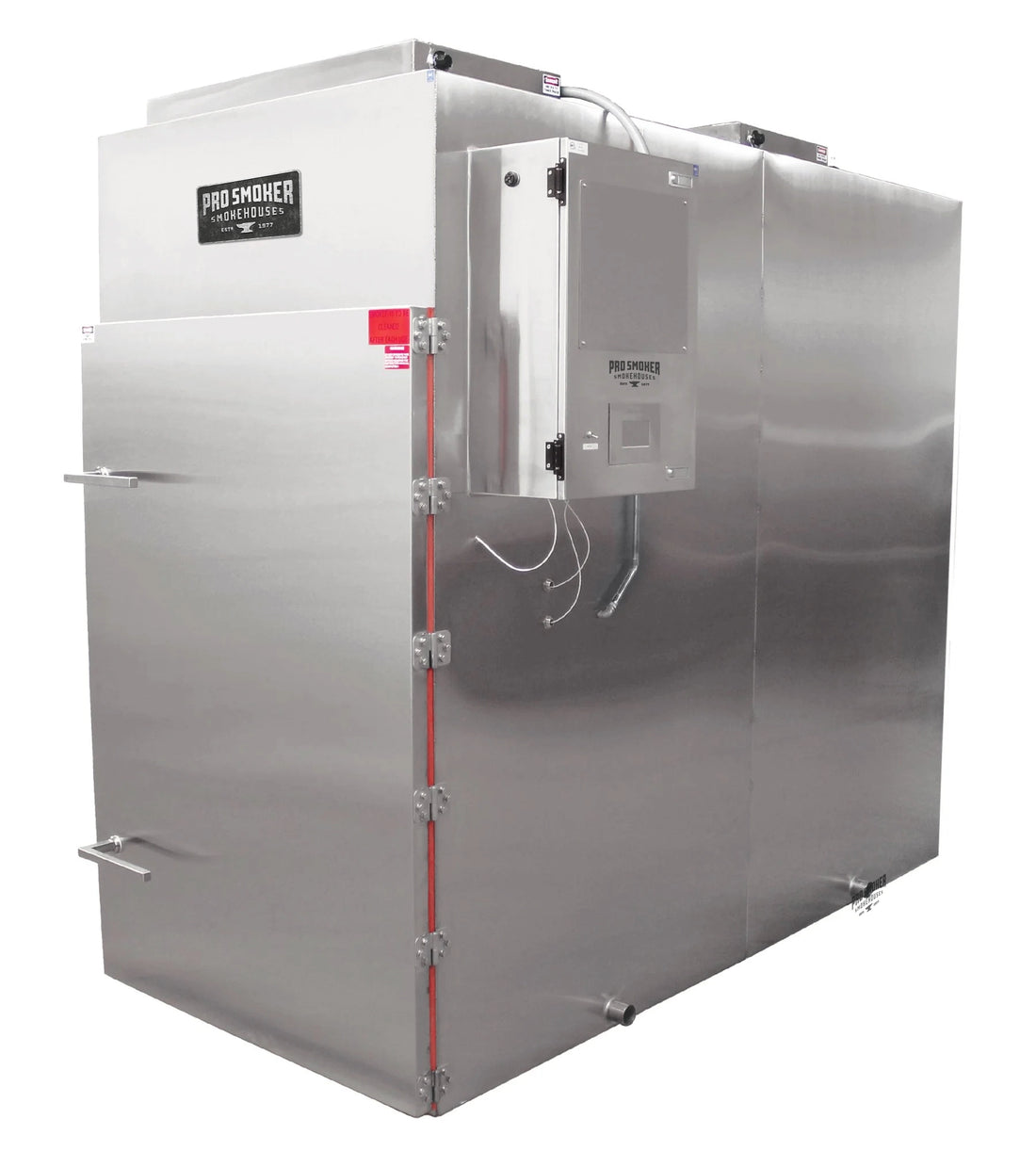
Deep, even smoke color on every load doesn’t happen by accident. It comes from a well-tuned smokehouse and a few simple habits that keep it performing day after day.
If you've ever experienced uneven product coming out, the problem is often tied to a few common areas. Here’s where our team looks first.
1. Start With Your Pre-Smoke Process
Check to see if your pre-smoke processes have changed. Common culprits include changes in meat-to-fat ratio, meat type, water source, cure or casings. If nothing has changed, check these five additional areas next.
2. Check the Smoke Generator
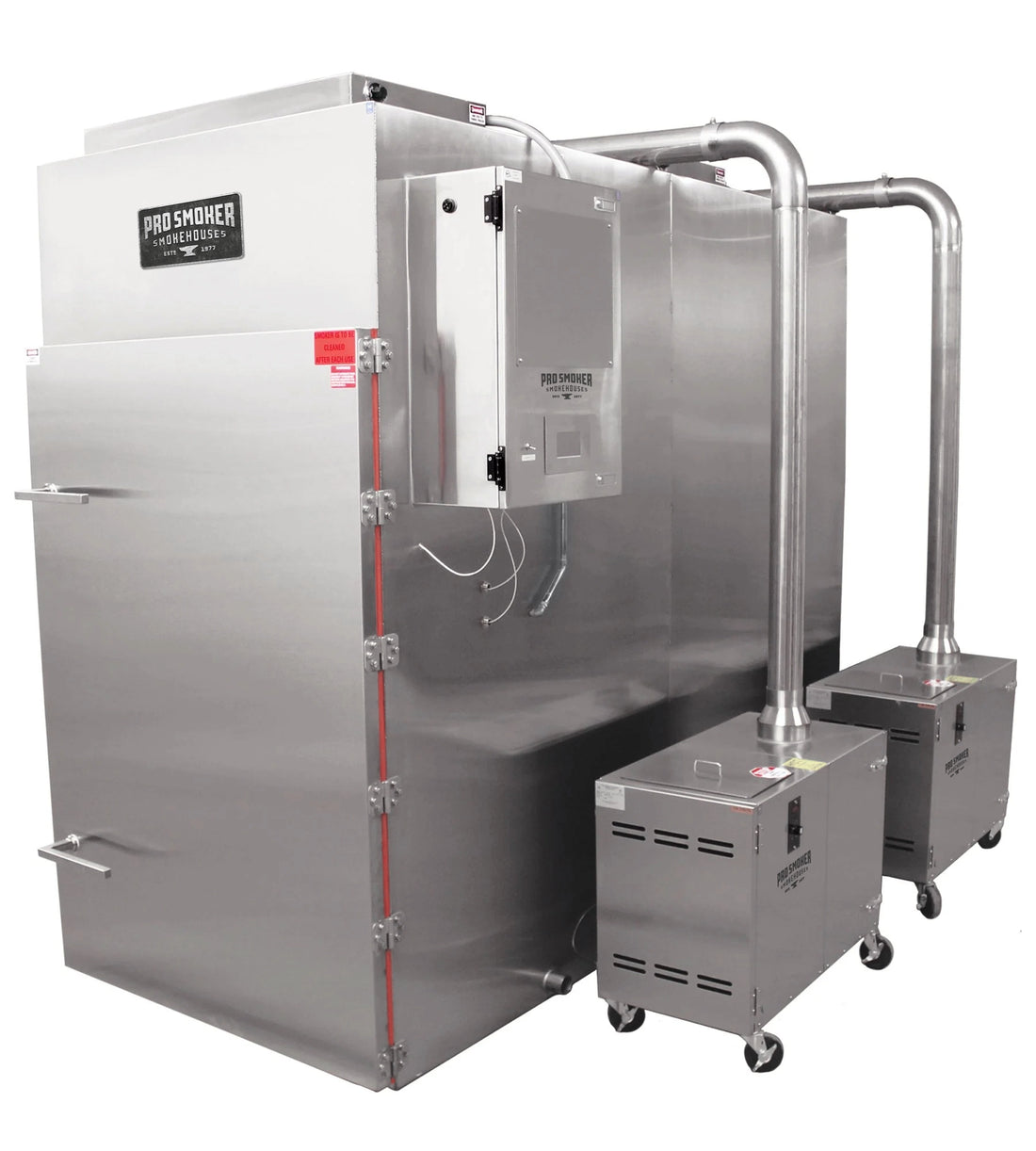
The smoke generator is the first piece of equipment to check when smoke production becomes inconsistent. The specific maintenance points will depend on the type of smoke generation system being used.
Wood pellet systems: Check the hopper and pellet feed system for blockages. Pellets can clump or jam, interrupting the consistent feed of fuel to the burner. Ash buildup in the burner pot can also restrict combustion and reduce smoke output. Routine cleaning helps keep the system feeding and burning properly.
Sawdust systems: Sawdust condition can have a significant effect on smoke production. If sawdust contains too much moisture, it may not smolder consistently, which can affect smoke output and quality. Store sawdust in a dry location and remove ash buildup regularly according to the smokehouse maintenance schedule.
Liquid smoke systems: Inspect the delivery nozzle and lines. A clogged or partially blocked nozzle can prevent liquid smoke from dispersing evenly throughout the cabinet. Nozzles should be inspected as part of routine cleaning, with the delivery system maintained according to manufacturer recommendations.
If smoke production itself appears inconsistent, start here before making larger changes to the process.
3. Check Airflow and Damper Operation
Producing smoke is only part of the process. The smoke also needs to circulate evenly around the product.
Damper settings and operation affect how smoke, heat and moisture move through the cabinet. If a damper is dirty, sticking or not opening and closing properly, airflow can change and create uneven conditions within the smokehouse.
Inspect the damper box for grease and residue buildup and confirm that the dampers move through their full range of operation.
Also consider whether anything about the load has changed. Product spacing, rack arrangement and load density can affect airflow, even when the smokehouse program itself has remained the same.
4. Inspect the Door Seal
Door seals wear gradually, which can make problems easy to overlook.
A damaged or compressed seal can allow smoke, heat and air to escape rather than remain controlled within the cabinet. Over time, that loss can contribute to inconsistent smoke development and make it more difficult for the smokehouse to maintain the intended processing conditions.
Inspect seals for cracks, visible gaps and areas that no longer make proper contact when the door is closed. Replacing a worn seal is a relatively simple maintenance step that can help restore proper cabinet conditions.
5. Look for Creosote and Residue Buildup
Creosote is a natural byproduct of wood smoke, but excessive buildup can affect smokehouse performance.
Deposits on interior surfaces, smoke ducts and other components can restrict airflow and interfere with the movement of smoke through the cabinet. Because buildup occurs gradually, operators may not immediately connect a change in finished-product appearance with smokehouse cleanliness.
If smoke performance has slowly changed over time, review the unit's cleaning history and inspect areas where residue commonly accumulates.
Routine cleaning is about more than sanitation. It also helps maintain the airflow and smoke distribution needed for consistent processing.
6. Review Temperature and Humidity
Smoke color and flavor are influenced by the conditions inside the smokehouse, including temperature and humidity. If either variable is outside the intended range, smoke development can change even when the smoke generator is operating properly.
If inconsistent smoke is occurring alongside temperature or humidity fluctuations, check those systems before assuming the smoke generator is the problem.
Start by confirming probe calibration, inspecting the wet sock and checking the humidity system for proper operation. It is also worth reviewing the smokehouse program to confirm that setpoints and process steps have not been changed.
Looking at the entire process can prevent unnecessary troubleshooting of a smoke generator that is functioning correctly.
When to Call a Pro Smoker Technician
Many smoke consistency issues can be addressed through routine operator maintenance. Persistent airflow problems, mechanical smoke generator issues and control system faults may require additional technical support.
If routine inspection and cleaning do not resolve the issue, involving a technician early can help prevent a small performance problem from becoming extended downtime or affecting additional production.
Pro Smoker's technical team can help diagnose smokehouse performance issues, troubleshoot equipment and identify the next steps for getting the process back on track.
Contact Pro Smoker Technical Support
The Best Troubleshooting Starts With Prevention
Many smokehouse performance issues can be caught before they affect a production run. Routine inspections, cleaning and preventative maintenance give operators an opportunity to identify worn components, buildup and other small changes before they begin affecting product consistency.
Pro Smoker offers Truckload Smokehouse Maintenance Checklists for pellet, sawdust and liquid smoke systems. Keep the appropriate checklist near the smokehouse so operators can make maintenance part of the regular production routine.
Download the Truckload Checklist: Wood Pellets
Download the Truckload Checklist: Sawdust
Download the Truckload Checklist: Liquid Smoke
Consistent smoke depends on controlling the variables that influence the process. A well-maintained smokehouse makes those variables easier to manage and helps operators produce repeatable results from one batch to the next.
Pro Smoker has been manufacturing commercial smokehouses and smoke generation systems for meat professionals across the globe since 1977. For technical support or equipment questions, contact our team.
