



Why Air Exchange Is the Most Important Factor in Your Smokehouse Performance
Consistency is the standard a professional meat processing operation is built on. All of that runs through and depends on how well you understand a...
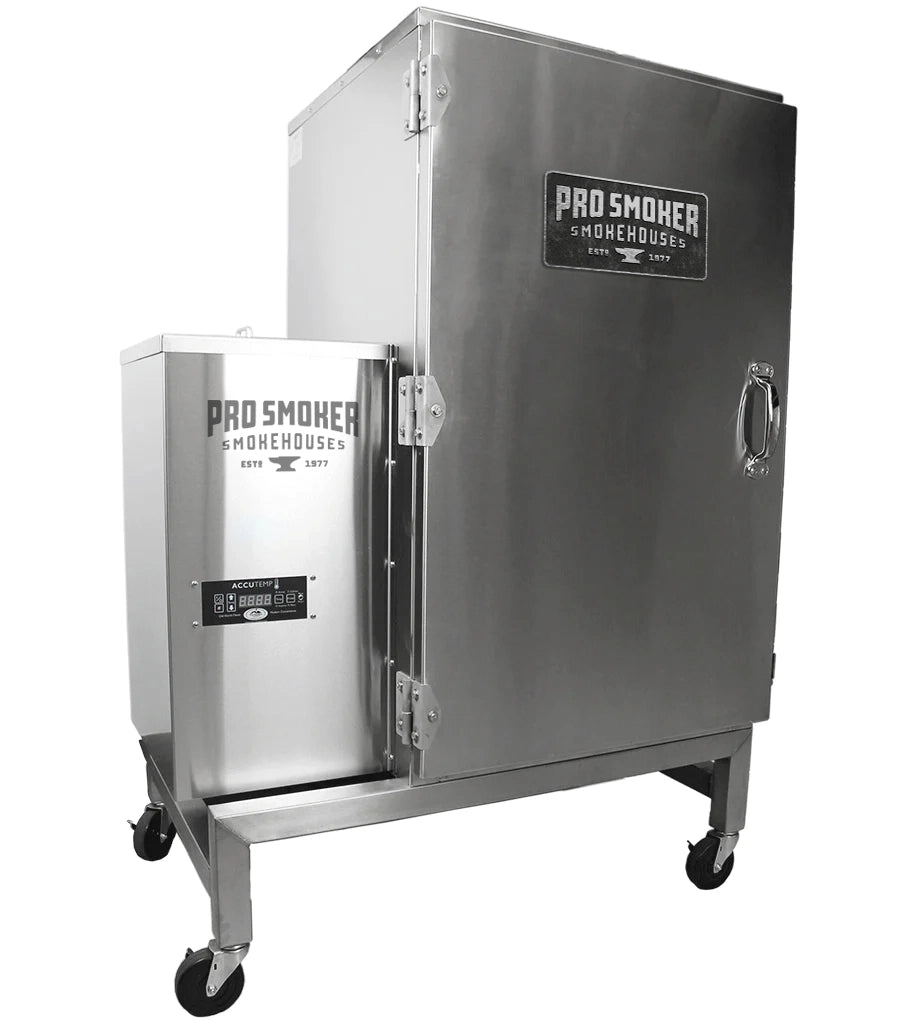
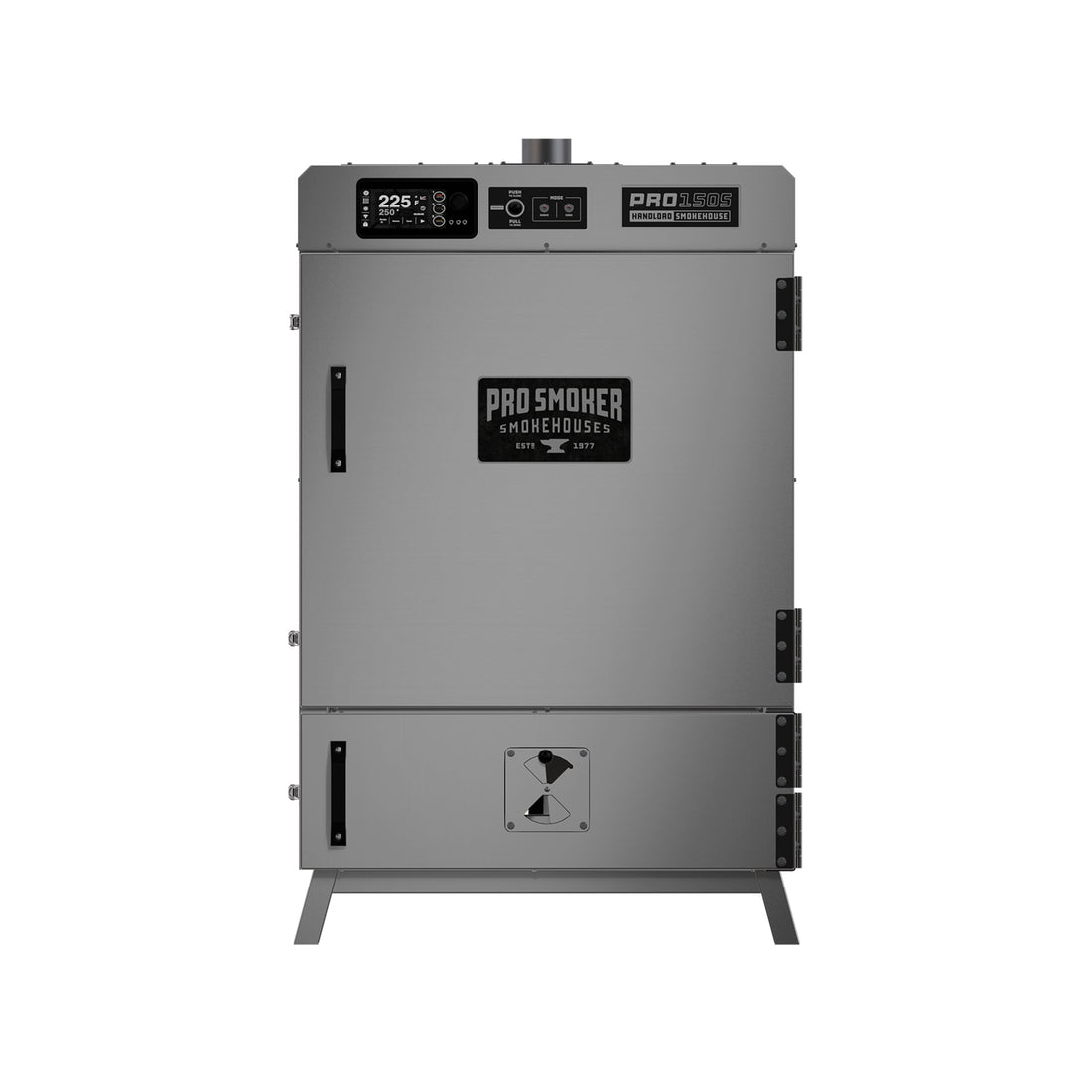

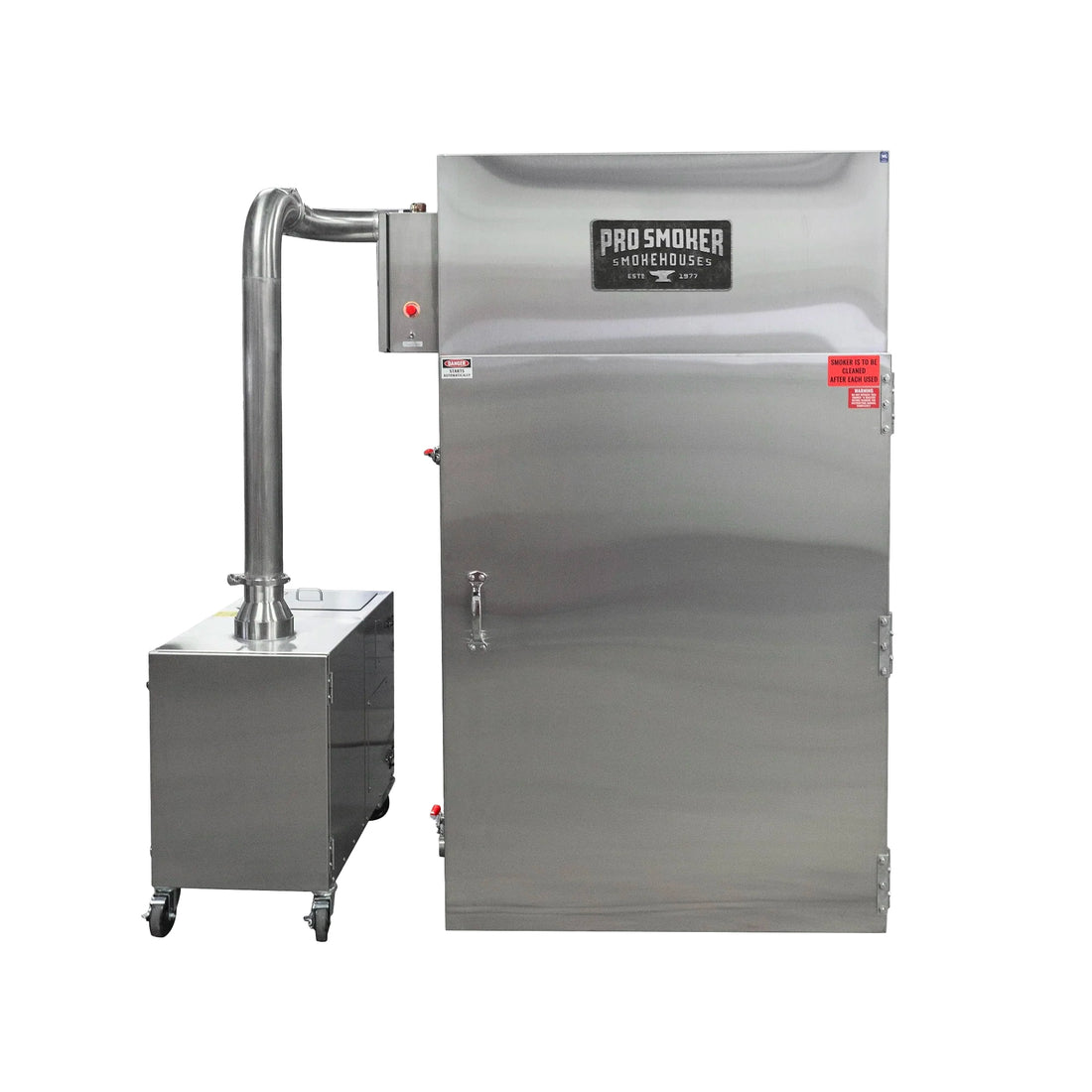
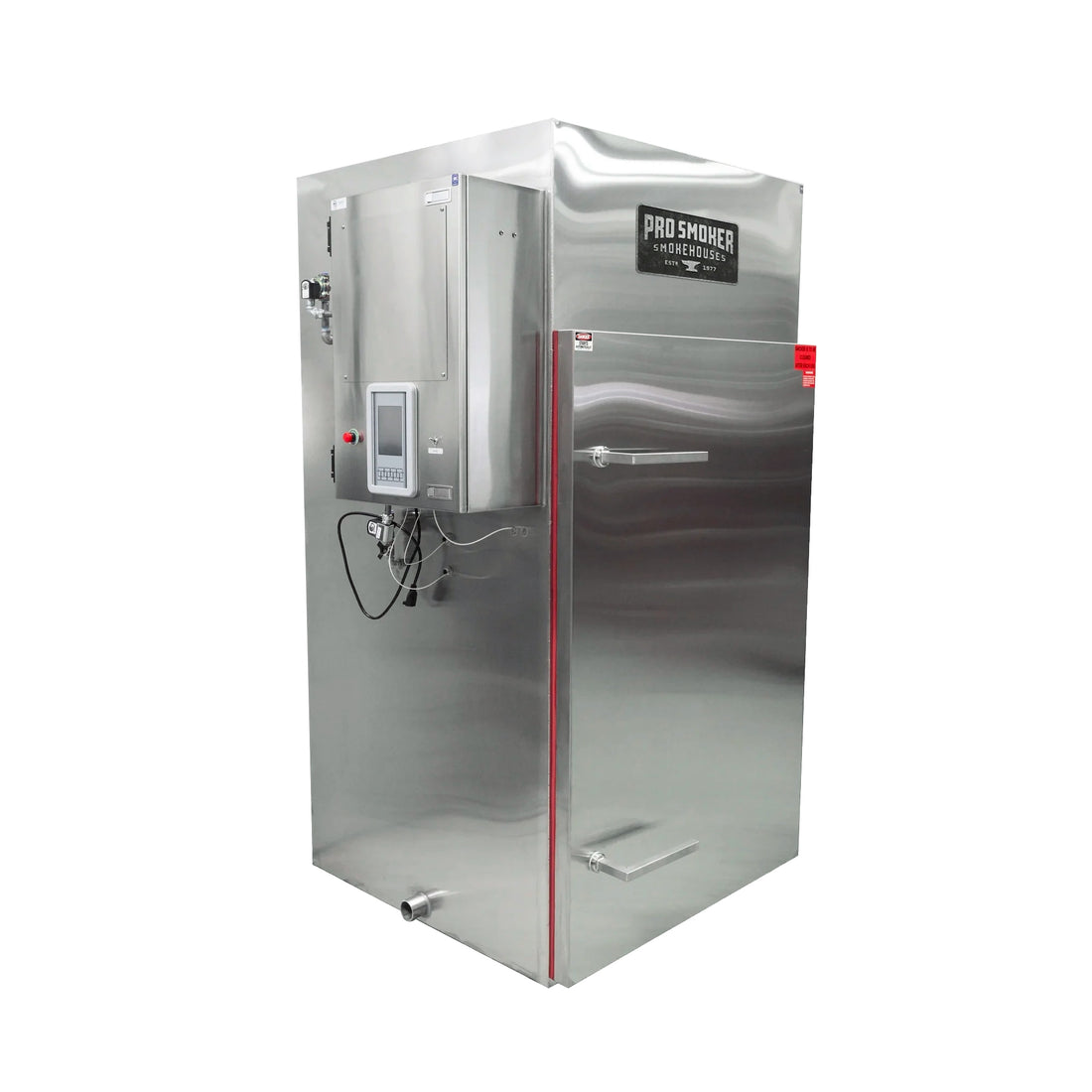
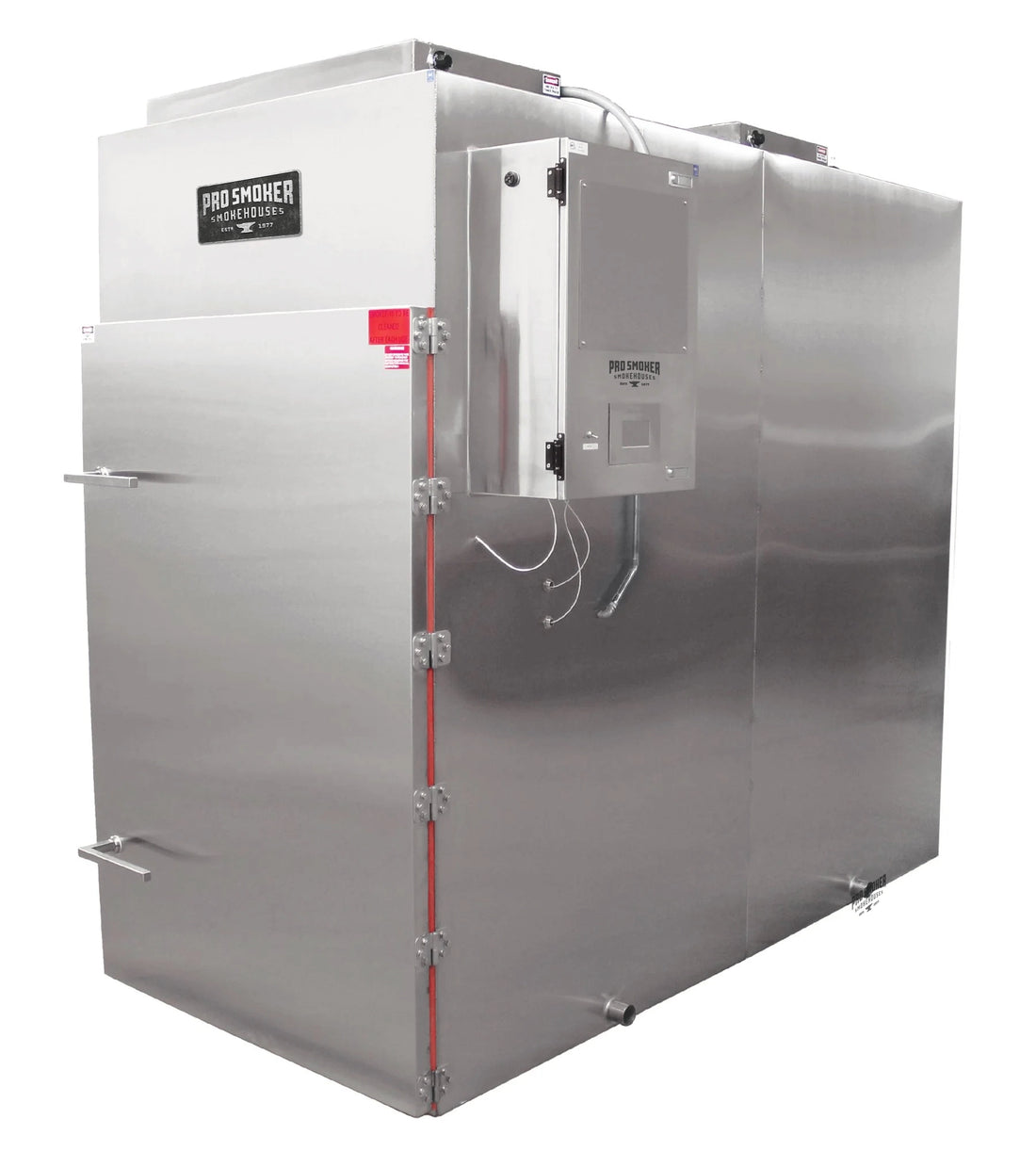
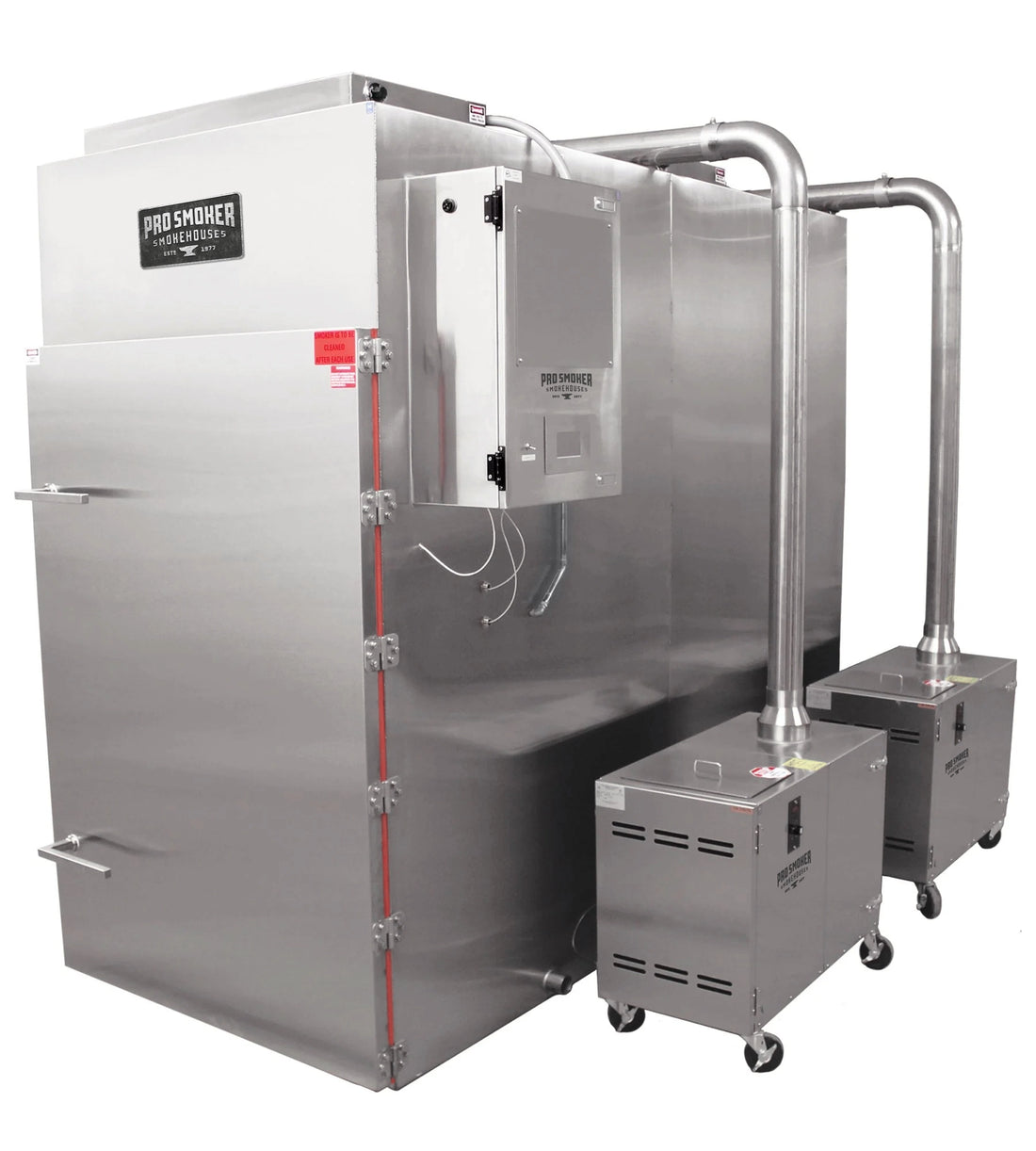
A clean smokehouse is a safe smokehouse. It's also a more consistent, efficient, and longer-lasting one. Whether you're establishing a cleaning standard for your operation or putting a reference in your team's hands for the first time, this guide covers the full process — from safety protocol through final inspection — the way it should be done in a professional meat processing environment.
No smokehouse cleaning should begin without proper lockout/tagout procedures in place. This is non-negotiable.
LOTO means:
The smokehouse is fully powered down at the control panel
The main power supply is physically locked out and tagged at the disconnect
All team members involved in the cleaning process are notified and accounted for
No one restores power until the cleaning is complete, the unit is fully reassembled, and a designated operator gives the all-clear
Smokehouse interiors involve high-voltage heating elements, mechanical components, and hot surfaces that retain heat well after shutdown. A unit that looks idle can still cause serious injury. LOTO is the procedure that prevents that, and in a USDA-inspected facility, it's also a documented food safety and workplace safety requirement.
If your operation doesn't have a written LOTO procedure for smokehouse cleaning, make developing one a priority before your next cleaning cycle.
Personal protective equipment: chemical-resistant gloves, eye protection, non-slip footwear, and waterproof apron
Stiff-bristle brush for interior surfaces, duct interiors, and damper channels
Low-pressure water source: high-pressure washing is not recommended for most smokehouse interiors, as it can force water into control components and seals
Food-safe alkaline degreaser for grease and smoke residue on interior surfaces
Smokehouse-appropriate caustic cleaner for heavy creosote deposits (follow manufacturer dilution and dwell time specifications)
Clean water to remove any cleaning solution or remaining debris
Allow the smokehouse to cool completely after the last production cycle before beginning any cleaning. Interior surfaces and heating elements retain heat longer than expected. A unit that finished a cycle two hours ago may still be hot inside.
Once fully cooled, execute your LOTO procedure. Confirm power is locked out before anyone enters the cabinet.
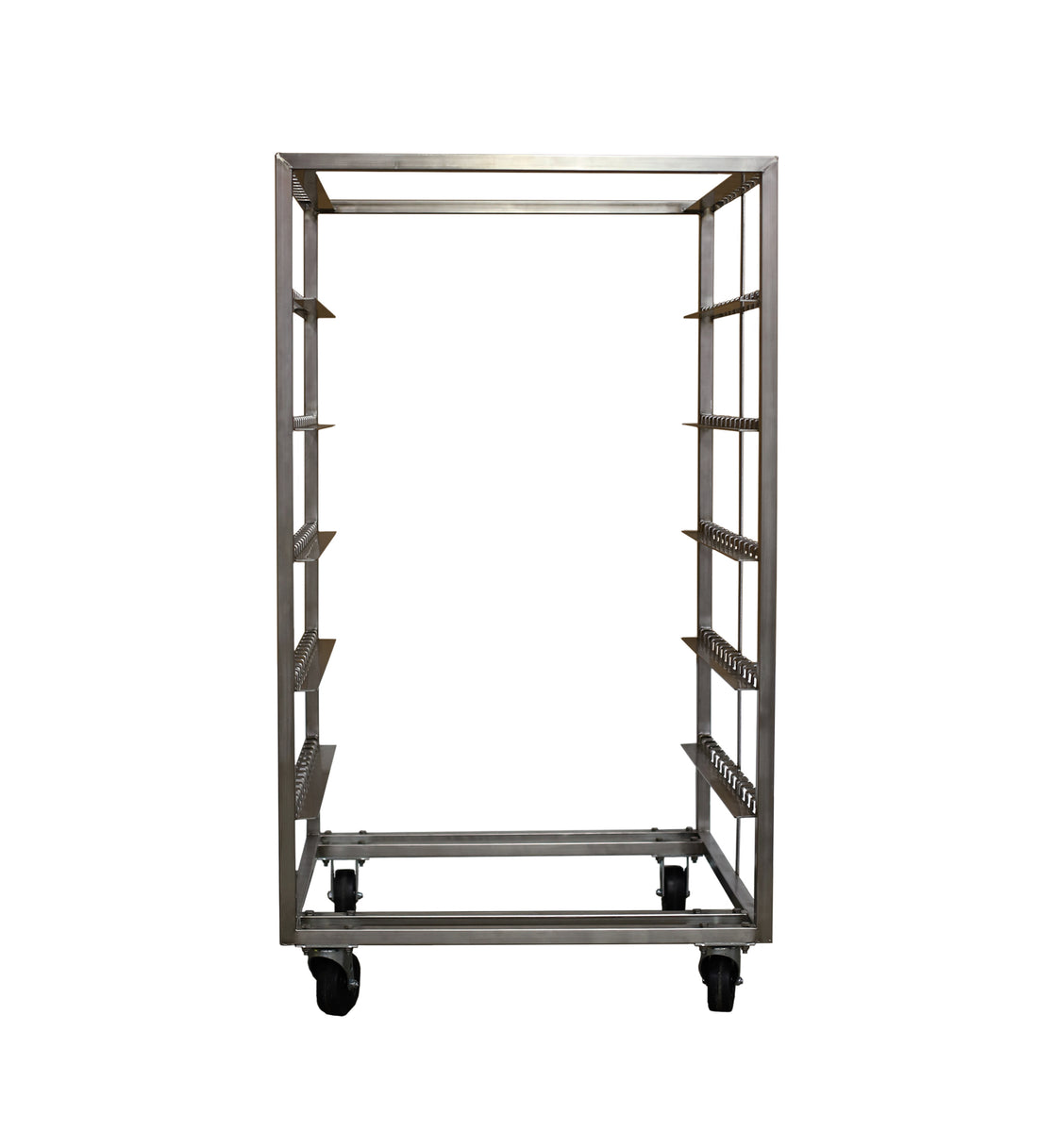
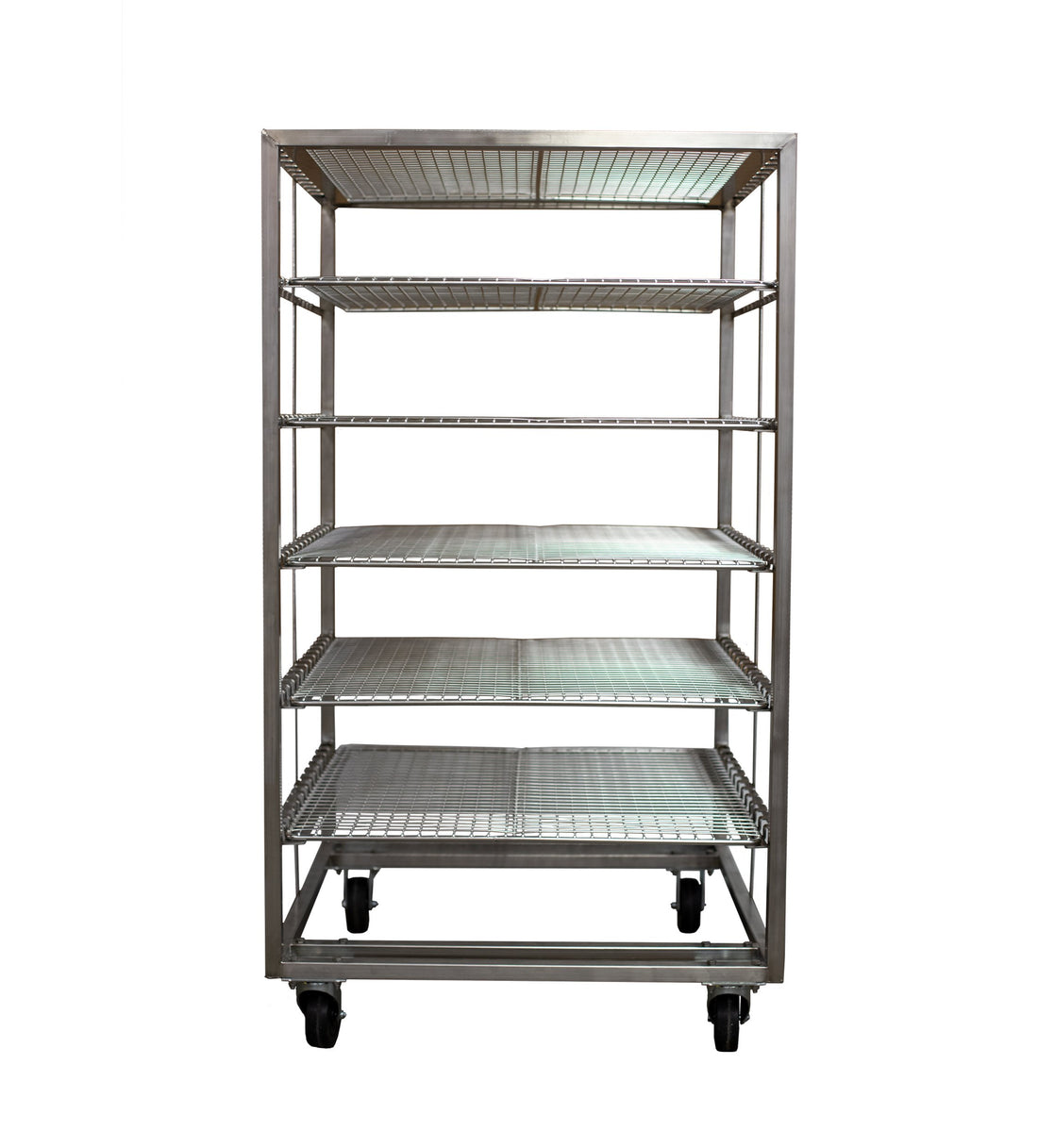
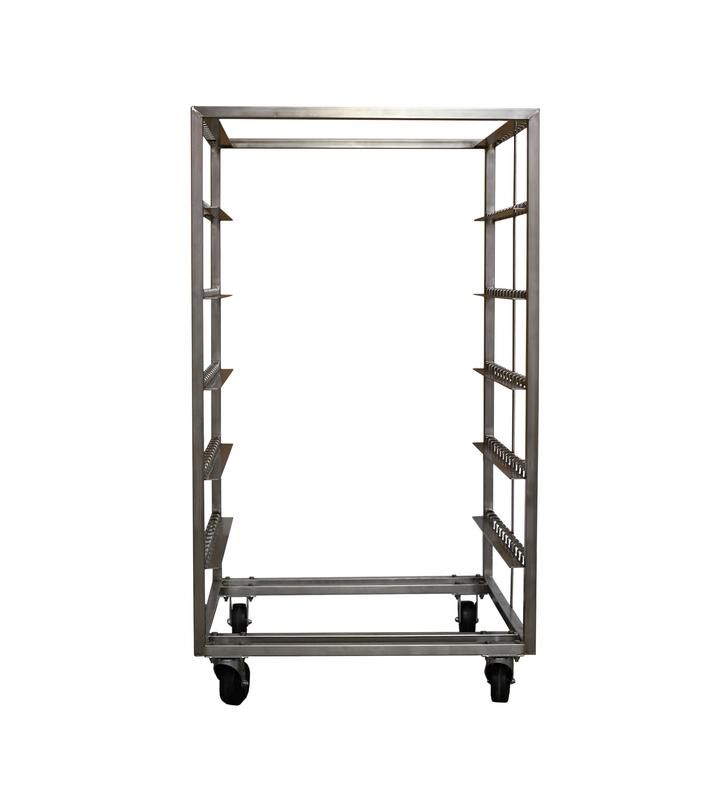
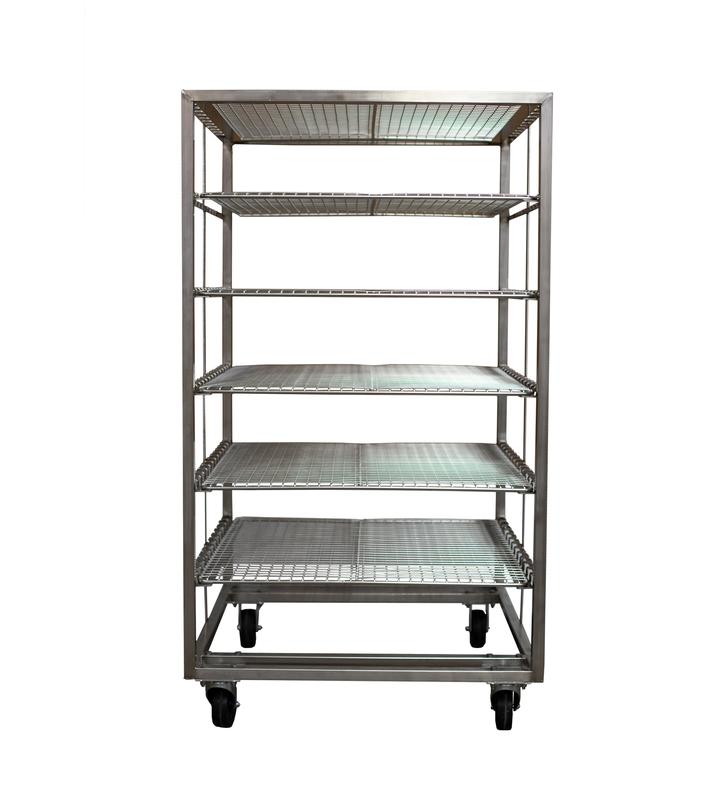
Pull all product trucks, smoke sticks, hanging racks, and any other removable interior components. These should be cleaned separately — scrubbed with degreaser, rinsed thoroughly, and air-dried before returning to service.
Removing these components gives you unobstructed access to the full interior and prevents cross-contamination between component cleaning and cabinet cleaning.
Manual Cleaning: Apply a food-safe alkaline degreaser to interior surfaces. For heavy creosote buildup, use a smokehouse-appropriate caustic cleaner if needed. Follow the chemical manufacturer's dilution and dwell-time instructions.
CIP Systems: Run the manufacturer-recommended clean-in-place cycle using approved chemicals and settings. After the cycle, inspect the interior and manually clean any remaining buildup as needed.
Pay particular attention to:
The smoke inlet area, where fresh combustion byproducts first contact the cabinet
Ceiling surfaces, where heat-driven vapor deposits accumulate
Corners and weld seams, where buildup is hardest to reach and easiest to miss
Smoke ducts and damper channels are the most maintenance-critical areas of a commercial smokehouse interior.
If your duct configuration requires partial disassembly for full access, this is the step where that work belongs. Semi-annual deep cleans should include full duct inspection and cleaning beyond what's accessible from the cabinet interior.
Use a stiff-bristle duct brush to work through accessible smoke duct sections. Apply degreaser or caustic cleaner as needed, allow dwell time, and brush again before rinsing. Inspect damper blades and channels for residue buildup that prevents full open/close travel.
Low-pressure rinse all interior smokehouse surfaces with clean water, working top to bottom, so rinse water carries residue and cleaner downward toward the drain.
Rinse until water runs clear, and no cleaner residue or foam remains on any surface.
With the cabinet clean and well-lit, this is the right moment for a thorough door seal inspection. Look for any cracking, compression loss, hardening, or any areas where the seal no longer seats flush against the door frame. A clean cabinet makes seal condition much easier to assess accurately.
If the seal shows wear, schedule replacement before the next production cycle.
Reinstall cleaned and dried trucks, racks, and removable components. Before closing the door and restoring power, conduct a final walk-around inspection:
All surfaces clean
Drain clear and unobstructed
Dampers move freely through full range of motion
Door seal seated properly with no visible gaps
No tools, cleaning materials, or foreign objects inside the cabinet
Once the inspection is complete and documented, restore power per your LOTO procedure and return the unit to service.
Cleaning frequency depends on production volume, smoke generation method, and product type — but as a general framework:
Daily: Check smoke-system components for blockage or residue, check wet tank, refill pellets, sawdust or liquid smoke before operation.
Weekly: Clean smoke intake components and generator areas where buildup occurs. Inspect shower and humidity nozzles, replace the wet sock, and address ash, tar, creosote, or other residue.
Monthly: Calibrate temperature probes. Clean the shower/humidity element area and inspect or clean chimney components where applicable. Lubricate hardware before reassembly.
Semi-annually: Inspect and clean upper smokehouse areas, dampers, gaskets, door seals, latches, hinges, shaft seals, and hardware. Address buildup, wear, or maintenance issues found during inspection.
Pro Smoker's free Truckload Smokehouse Maintenance Checklists are built around these cadences — with tasks differentiated by your smoke generation method. They're designed to be printed, laminated, and posted at your unit so your team has the standard in front of them every day.
If you're establishing a cleaning program for the first time, troubleshooting persistent residue buildup, or evaluating whether your current protocol is adequate for your production volume, the Pro Smoker team is available to help. We've spent nearly five decades supporting meat processing operations of every scale — and we know what a well-maintained smokehouse looks like.
Pro Smoker has been manufacturing commercial smokehouses and smoke generation systems for meat professionals across the globe since 1977. For parts, technical support, or equipment questions, contact our team.

