



How do I Keep My Smoked Product Consistent? 6 Areas to Check
If you've ever experienced uneven product coming out, the problem is often tied to a few common areas. Here’s where our team looks first. Read the ...

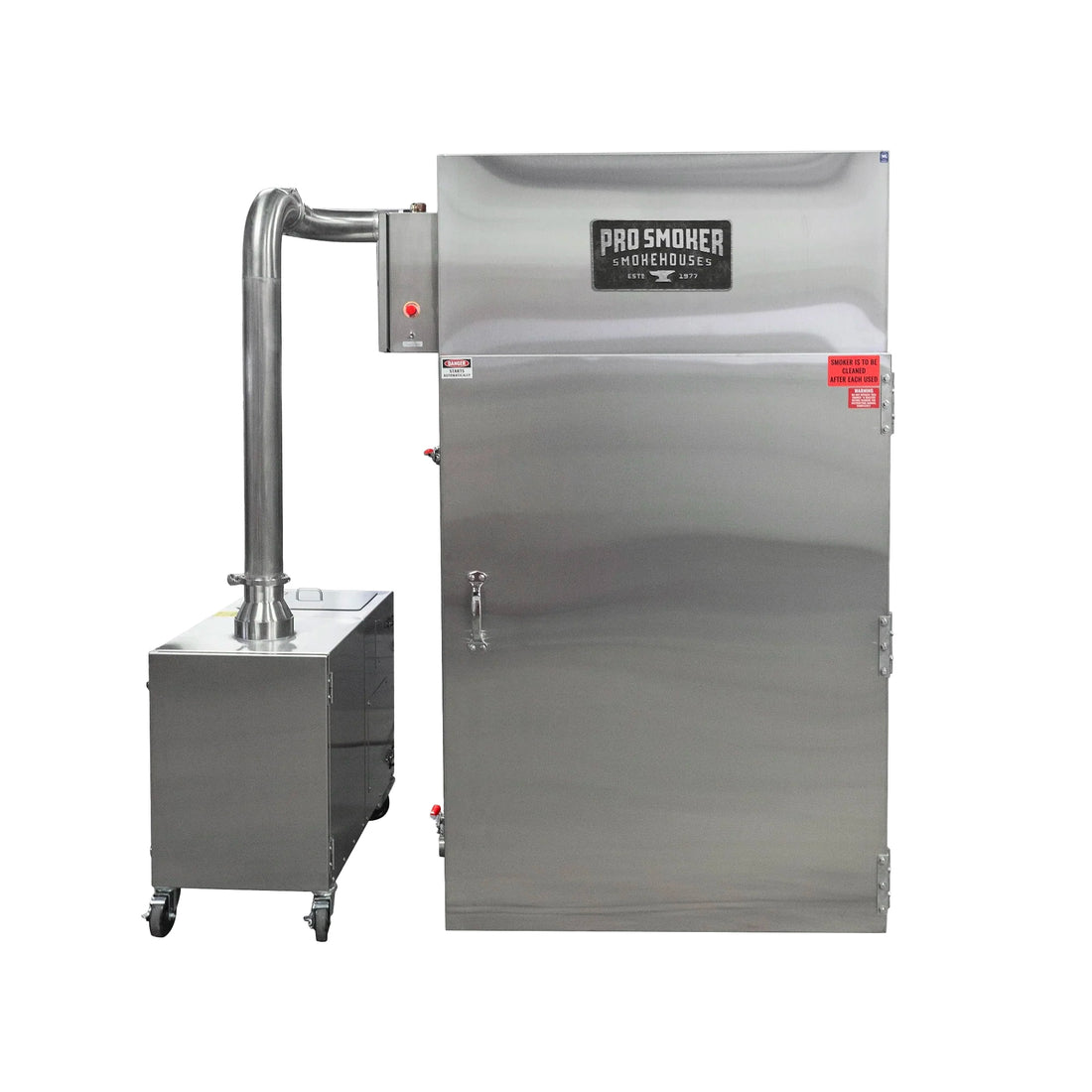
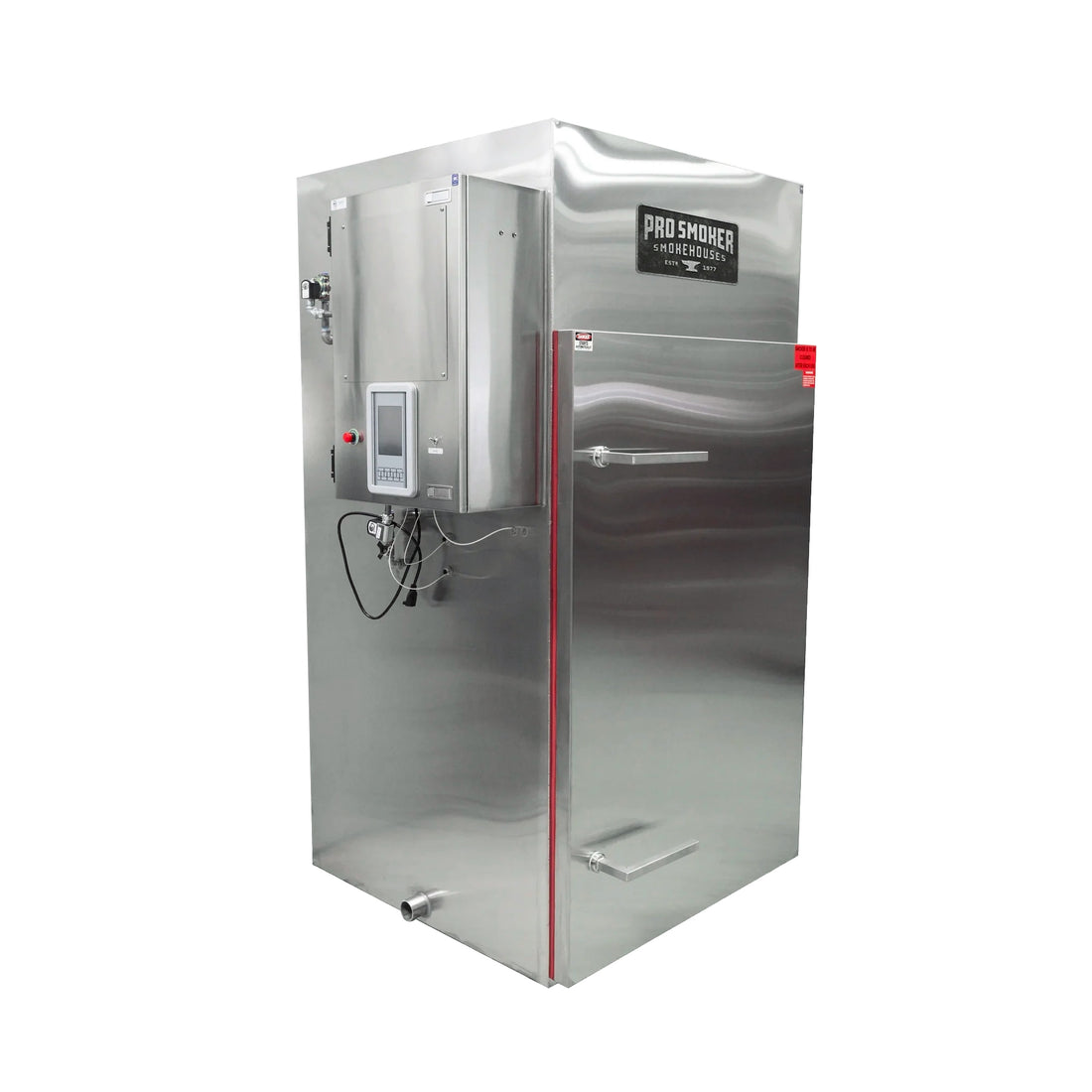
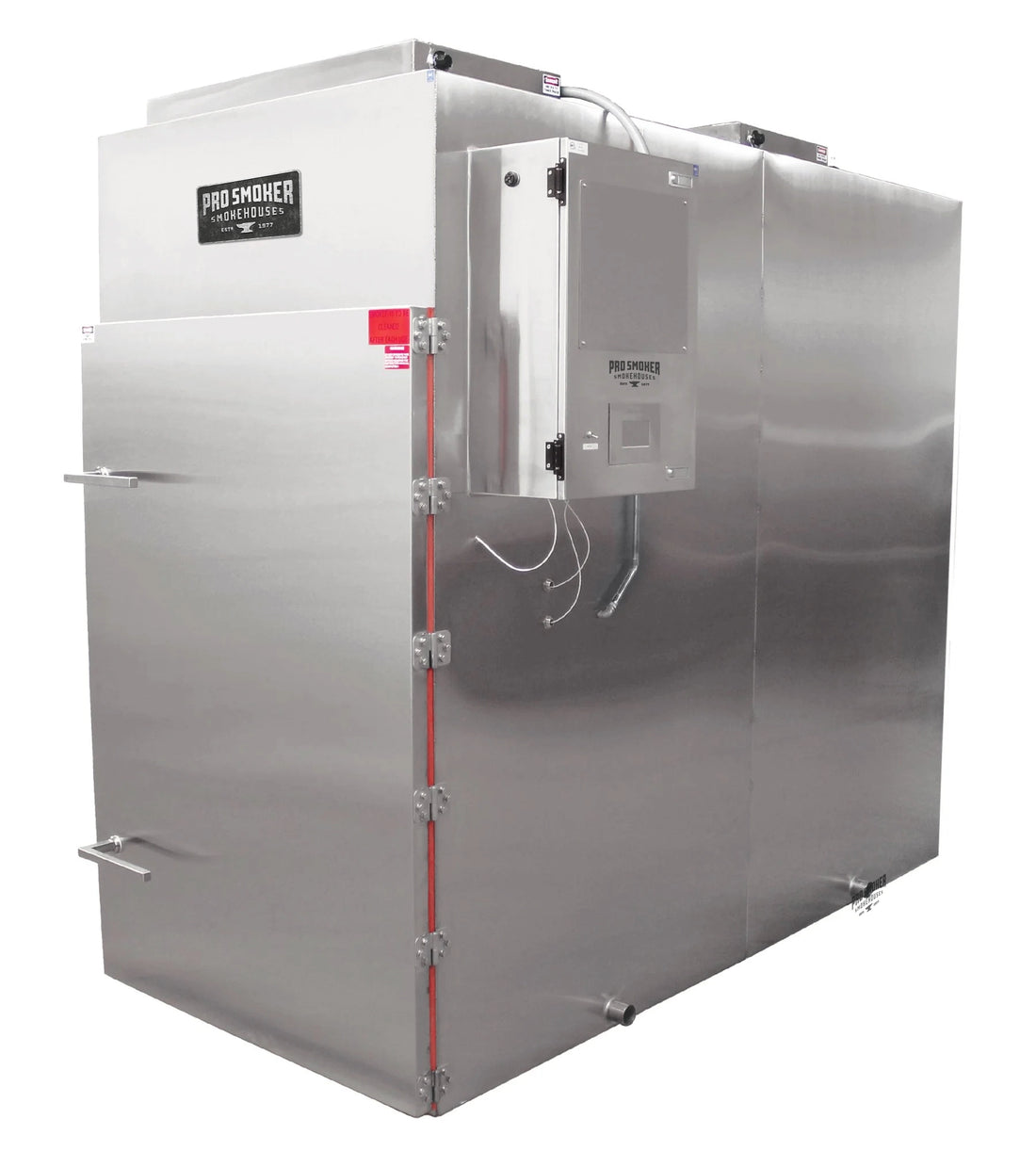

A well-maintained smokehouse is a productive smokehouse. In the day-to-day pressure of running a meat operation, routine maintenance is often the first thing to slip. And when it does, the consequences show up in yield loss, inconsistent product, and unexpected downtime.
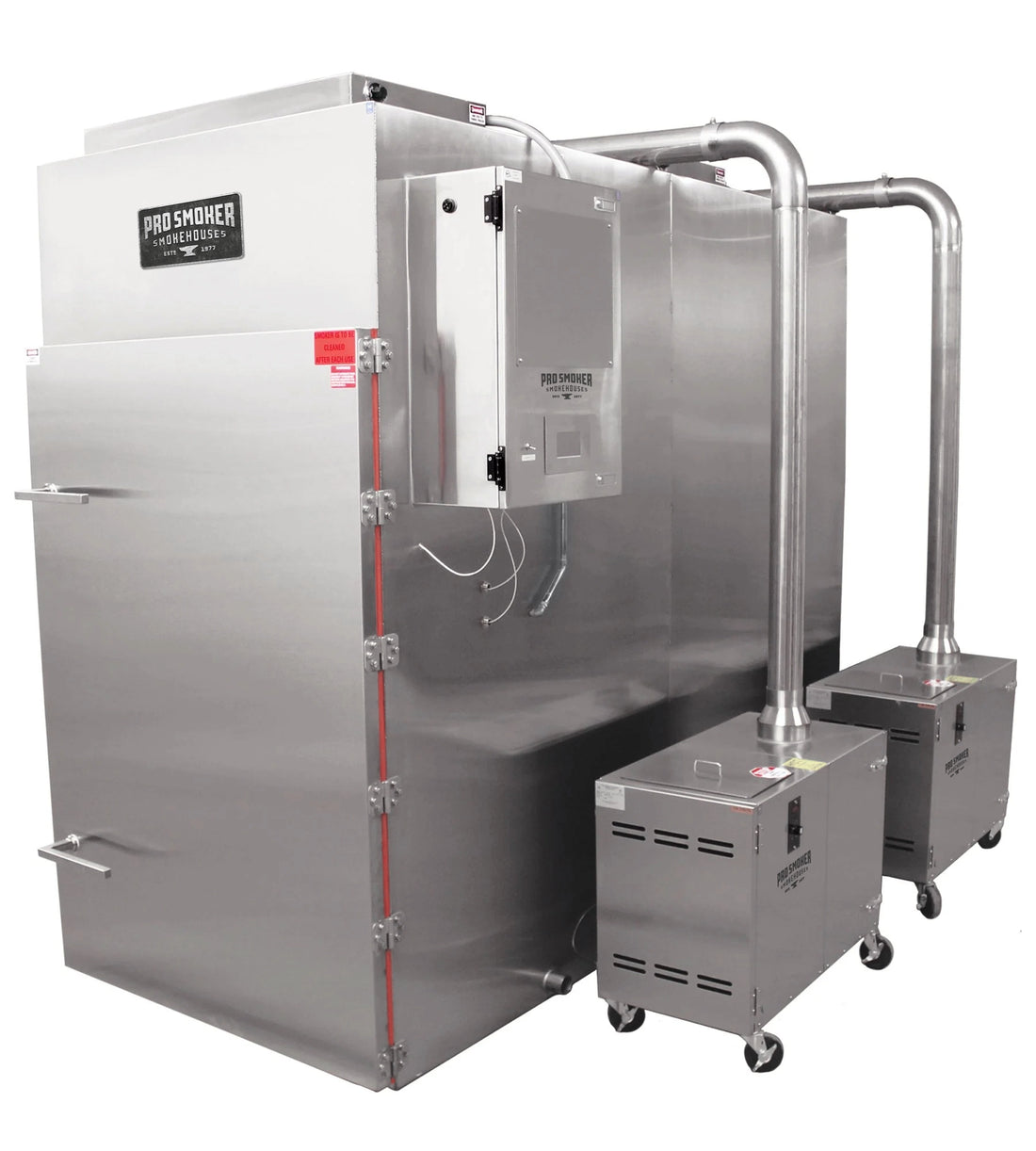
At Pro Smoker, we've spent 50 years engineering commercial smokehouses built for the realities of professional meat processing. We've seen what peak performance looks like, and we've seen what happens when maintenance gets skipped. This resource is for every butcher shop owner, meat market operator, and processor who wants to keep their equipment running at peak performance.
Explore our Maintenance Blog:
Creosote Buildup in Commercial Smokehouses: Causes, Risks, and Prevention
Why Air Exchange is the Most Important Factor in Your Smokehouse Performance
Door Seal Maintenance for Commercial Truckload Smokehouses
How to Clean a Pro Smoker Commercial Truckload Smokehouse: Step-by-Step
How do I Keep my Smoked Product Consistent? 6 Areas to Check
Your smokehouse is doing complex, demanding work every single cycle. Thermal stress. Smoke residue buildup. Moisture fluctuation. Mechanical wear on augers, solenoid valves, door seals, and heating elements. Every component has a job to do — and every component needs attention to keep doing it.
Creosote buildup is one of the most common — and most preventable — causes of smokehouse performance degradation. Left unmanaged, it creates fire risk, flavor inconsistency in your product, and airflow restrictions that compromise your smoke profile. Regular cleaning isn't just good housekeeping. It's food safety.
A single unplanned shutdown during peak production doesn't just cost you time; it costs you the entire batch, your production schedule, and in some cases, your customer commitments.
There's no one-size-fits-all maintenance schedule for commercial smokehouses. What you're running through your smoke generator — wood pellets, sawdust, or liquid smoke — directly impacts your cleaning cadence, the components that need the most attention, and the failure points you need to watch for.
Wood pellet systems require weekly hopper checks, consistent ash and burner pot clearing, and periodic auger drive inspection to prevent feed jams that interrupt your smoke cycle.
Sawdust systems demand close attention to the firebox and creosote lines, where fine particle residue accumulates quickly and creates real risk if not managed on a daily to weekly basis.
Liquid smoke delivery systems depend on clean nozzles, pump integrity, and a properly flushed delivery line to maintain consistent application — especially in high-frequency production environments.
To support our customers and the broader processing community, Pro Smoker has developed free, print-ready Truckload Smokehouse Maintenance Checklists — one for each smoke generation method. Designed to be laminated and posted directly at your unit, they give your team a clear, structured reference for daily, weekly, monthly, and semi-annual maintenance tasks.
Download yours below:
Download the Truckload Checklist: Wood Pellets
Download the Truckload Checklist: Sawdust
Download the Truckload Checklist: Liquid Smoke
The best commercial smokehouse in the industry can't perform at its best without the right care. Maintenance is how you protect your capital investment, your team's safety, and the consistency your customers count on.
The Pro Smoker team is here to help you get the most from your equipment — whether that means answering technical questions, walking through a troubleshooting scenario, or helping you build a maintenance program that fits your operation.
Fifty years of smokehouse expertise. One conversation away.
Pro Smoker has been manufacturing commercial smokehouses and smoke generation systems for meat professionals across the globe since 1977. For technical support, equipment questions, or to speak with a smokehouse specialist, contact our team.